
Top Crypto Gambling Sites for Real Money Bitcoin Wagers in 2025
A player with a digital wallet can fund a crypto gambling site in seconds, bypassing traditional banking delays entirely. These platforms execute bets and payouts directly through blockchain transactions, with each wager recorded on a public ledger for verifiable fairness. The core benefit is that crypto gambling sites offer near-instant withdrawals and full transaction anonymity, making them a streamlined alternative for users who prioritize speed and privacy. To get started, a user simply selects a supported coin, deposits it to the provided address, and begins playing games like slots, blackjack, or dice.
What Makes Crypto Gambling Different From Traditional Online Casinos?
Crypto gambling sites fundamentally shift the power balance by placing the blockchain between you and the house. Unlike traditional casinos, where deposits and withdrawals pass through slow banking rails, crypto transactions settle in minutes, with no intermediary freezing funds or imposing arbitrary limits. The key difference is provable fairness: you can independently verify every game’s outcome via cryptographic hashes, whereas traditional casinos ask you to trust proprietary random number generators blindly. This transparency is not a gimmick—it’s a core mechanic. Moreover, a crypto wallet serves as your identity, meaning no KYC checks, no credit card declines, and no geo-blocking. You play directly from your holdings, often with lower fees and instant payouts. Anonymity is your default, not a privilege. Yet, this autonomy demands personal responsibility: without a central authority, your private keys are your only safety net, and the same censorship resistance that protects you also removes any recourse if you make an irreversible mistake.
How Digital Currencies Change Deposits, Withdrawals, and Wager Settlement
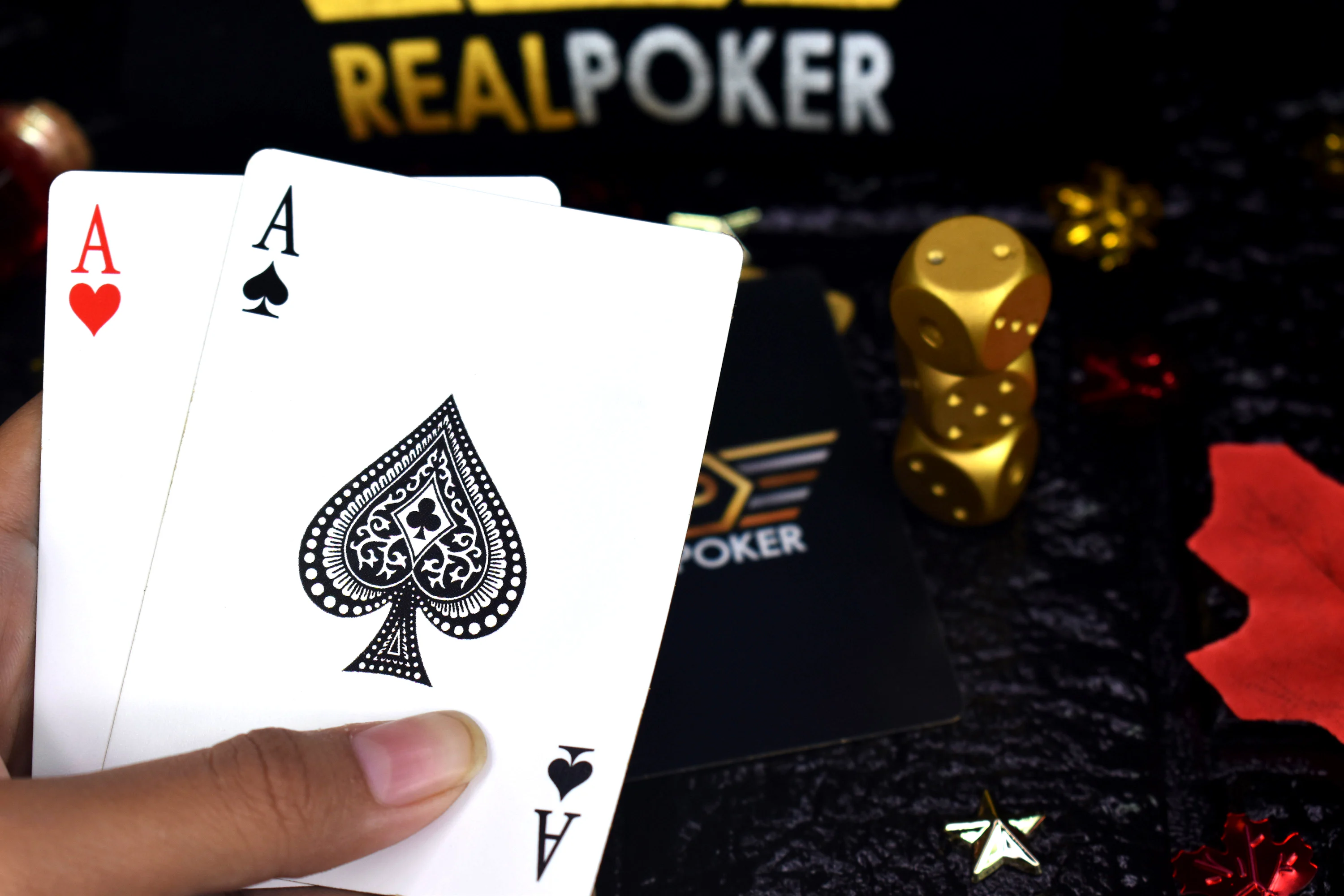
Crypto gambling rewires the financial plumbing of betting by making deposits, withdrawals, and wager settlement near-instant and borderless. Instead of waiting days for a bank transfer, you send Bitcoin or Ethereum directly to a wallet address, and the funds appear on the platform within seconds. Withdrawals bypass traditional banking hours and intermediaries, landing back in your custody almost immediately after a request. Provably fair smart contracts even automate wager settlement, crediting winning bets to your balance the moment a round concludes, with no manual review or card processor hold. This shifts the entire experience from a delayed, approval-based system to a frictionless, real-time ledger that hands you full control over your money.
The Real Advantage of Anonymity and No Bank Involvement
The real advantage of anonymity in crypto gambling is the separation it creates between your gaming activity and your personal identity. You never hand over a passport, proof of address, or financial history, so there is no dossier tied to your real name. This also means the bank is completely removed from the equation; no credit card statements, no bank transfers that a spouse or employer might see, and no risk of a chargeback flagging your account. Instead, you move funds directly from your wallet to the casino, and back again. That direct chain is what makes private crypto casino play genuinely frictionless—your money moves on your terms, without a third party monitoring, delaying, or judging the transaction.
How to Pick a Reliable Crypto Casino That Matches Your Play Style

Finding a reliable crypto casino that matches your play style starts with honestly mapping your habits. If you chase fast, low-stakes spins, you need a site with instant deposits and micro-bet limits, not one catering to high-rollers. Test the withdrawal speed by cashing out a tiny amount first—a slow payout on day one warns you about bigger problems later. For slot lovers, check the game provider list; a platform stuffing only unknown titles often rigs return rates. Live dealer fans should demand a seamless stream and chat responsiveness during off-peak hours, because lag ruins the rhythm. Crucially, read the bonus wagering terms aloud—a 40x requirement on crypto winnings can trap your bankroll for weeks. Ultimately, the right crypto gambling sites feel like a tailored lobby: every button, bet size, and cashout path aligns with how you actually play, not just what looks flashy.

Key Features to Compare: Provably Fair Games, VIP Rewards, and Instant Payouts
When comparing crypto gambling sites, zero in on provably fair verification tools that let you audit every bet’s hash and seed—this separates transparent platforms from trust-based ones. For VIP rewards, check whether the tier system offers real cashback or free spins rather than inflated wagering requirements, and confirm if loyalty points convert instantly. Instant payouts hinge on withdrawal speed—test with a small amount first, and look for wallets that process in under five minutes without manual review delays. Priority features to evaluate side-by-side:
- Open-source provably fair algorithms with visible server seeds
- VIP thresholds that reward actual play volume, not deposit size alone
- Zero-confirmation withdrawals to your own wallet address
Assessing Game Libraries: Slots, Live Dealers, and Sportsbooks in One Wallet
When assessing a crypto casino’s game library for a unified wallet, prioritize cross-module liquidity—the ability to move funds instantly between slots, live dealer tables, and a sportsbook without withdrawal fees or conversion waits. Check whether slot providers (e.g., Pragmatic, Hacksaw) are integrated with the same balance used for blackjack or Premier League markets. For live dealers, confirm the streaming quality and betting limits align with your bankroll, not just the game count. For sportsbooks, verify if in-play bets settle instantly from the shared wallet, or if they lock funds separately. A single-wallet ecosystem should show your total balance and active bets on one dashboard, with no hidden exchange spreads between modules.
- Test a demo or low-stake bet on each module to see if the wallet updates balances in real time.
- Confirm whether casino winnings are immediately available for sportsbook wagers, or vice versa.
- Filter for tables and slots that accept your preferred crypto—some libraries only support ETH or BTC for specific games.
- Look for a “wallet balance” toggle that separates locked sports bets from free funds.
Step-by-Step Guide to Making Your First Deposit and First Bet
Start by grabbing a crypto wallet—MetaMask or Trust Wallet work fine—and fund it with Bitcoin or Ethereum from an exchange. On your chosen gambling site, hit “Deposit,” copy the unique wallet address, and send a minimum amount (often $10–$20). Wait for one confirmation, which usually lands in under five minutes. Next, head to the sportsbook or casino lobby, pick a market, and enter your stake in the same crypto you deposited. Double-check the odds and click “Place Bet”—your wager settles instantly, with winnings credited to your balance. Pro tip: always check if the site requires a separate bonus code before your first deposit to unlock free plays. A common question: “How long does a first crypto deposit take?” Typically 1–10 minutes on the Bitcoin network, but faster if you use Litecoin or Solana—then your first bet is ready immediately.
Choosing a Wallet, Buying Crypto, and Understanding Network Fees
Start by selecting a non-custodial wallet like MetaMask or Trust Wallet, as it gives you full control over funds before depositing. When buying crypto, use a reputable exchange such as Coinbase or Binance, then transfer assets to No-verification online casinos your wallet—never purchase directly on a gambling site. Understanding network fees is critical: each blockchain (Ethereum, Solana, BSC) charges a gas fee for transactions, which varies by congestion. To minimize costs, choose a chain with low fees like Solana or Polygon for deposits. The logical sequence is:
- Create and secure your wallet with a private key backup.
- Buy crypto on an exchange using fiat or card.
- Withdraw to your wallet, checking the network fee estimate before confirming.
- Send a small test transaction to the casino’s deposit address, then scale up.
How to Claim Bonuses Without Getting Trapped in Hidden Wagering Terms
Before you hit “claim,” always open the bonus terms and hunt for the wagering requirement multiplier—it’s the main trap. A 40x playthrough on a deposit-plus-bonus amount is far heavier than 30x on the deposit only. Check the game contribution percentages: slots often count 100%, but blackjack or live dealer might count just 10% or zero, dragging you into endless betting. Also, verify the max bet allowed while wagering (often $5) and the expiry window—crypto bonuses can vanish in 7 days. *If a bonus seems too generous, screenshot the terms before claiming, because sites can quietly amend them later.* Finally, test a tiny deposit first to see how the wagering tracker updates in real time.
| Term to Check | What to Look For | Red Flag |
|---|---|---|
| Wagering multiplier | 20x–35x on deposit only | 50x+ on deposit + bonus |
| Game contribution | Slots at 100% | Live dealer at 0% |
| Max bet while active | ≤ $10 | $0.50 cap |
The Best Bitcoin and Altcoin Game Formats for Beginners and Pros
For beginners, **provably fair dice** and simple **plinko** are the best entry points, as they require zero strategy and instantly clarify house-edge mechanics. Pros should focus on **Blackjack with verifiable card shuffles** and **video poker variants**, where skill-based decisions directly lower the theoretical return-to-player gap. Crash games offer a hybrid: novices learn bankroll pacing while experts exploit volatility windows, though edge-sorting in live-dealer altcoin tables is where sharp players truly separate themselves from the field. Always verify the site’s RNG seed before committing, and prioritize formats with instant settlement—your crypto stack’s speed is a strategic asset, not a convenience. **Single-deck digital blackjack** remains the highest-skill ceiling, while **multi-ticket lottery draws** appeal to pros seeking bounded loss with jackpot asymmetry.
Crash Games, Dice, and Blackjack – Which Suits Your Risk Tolerance?
Crash games suit high-risk players who thrive on volatility, as you can cash out at any multiplier but risk losing your stake if the curve breaks. Dice offers fine-grained control, letting you set a win probability from 1% to 98%, making it ideal for adjusting risk precisely—from conservative 2x bets to aggressive 100x attempts. Blackjack, by contrast, targets medium-risk users who prefer structured decisions over pure chance, since your strategy and card counting can marginally reduce the house edge. **For crypto gamblers, matching your risk tolerance to these formats matters most**. If you want fast, emotional swings, choose crash; if you crave predictable odds, dice; if you enjoy skill-based tension, blackjack.
Q: Which format should a low-risk player pick to minimize variance?
A: Dice, because you can set a 98% win probability with tiny payouts, ensuring frequent small wins without the sudden total-loss spikes common in crash games.
Live Dealer Tables vs. Automated Rounds: Where the House Edge Shrinks
When weighing live dealer tables against automated rounds, the house edge shifts based on game rules, not the presence of a human. Automated RNG blackjack often offers a slightly lower edge—sometimes under 0.5% with perfect strategy—because speed and lower operating costs let casinos trim the margin. Live dealer tables, while more immersive, typically carry a higher edge due to dealer salaries and studio overhead, often pushing blackjack to 0.6–1%. However, in games like roulette, the edge is identical (2.7% for European) regardless of format. For beginners, automated rounds let you practice slowly and find the most favorable rule variations, while pros might prefer live tables for slower pacing that reduces impulsive errors. Ultimately, the edge shrinks where you exploit rule differences and side bets—not the format itself.
Automated rounds usually offer a thinner house edge on skill-based games, while live tables cost more; the real shrink comes from picking better rules, not the dealer.
Managing Your Bankroll and Protecting Your Privacy on Crypto Betting Platforms
On crypto gambling sites, treat your bankroll as a separate, fixed allocation of crypto—never more than you can afford to lose entirely. Set strict loss limits per session and withdraw winnings to a cold wallet immediately, avoiding the temptation to chase losses with “house money.” For privacy, use a dedicated, fresh wallet address for each deposit, never reusing one linked to your primary exchange or identity. Enable VPNs and Tor only if the platform permits them, but prioritize platforms that require no KYC for crypto-only play. Always disable browser fingerprinting and use a privacy-focused browser when accessing these sites. Remember that blockchain transactions are permanently visible, so mixing services or privacy coins like Monero can obscure your trail. However, even “anonymous” betting leaves metadata, so treat every interaction as potentially traceable. Finally, never share screenshots or transaction IDs from your gambling activity on public forums.
Setting Loss Limits and Using Self-Exclusion Tools Within the Site
Most crypto betting platforms let you set daily, weekly, or monthly loss limits directly in your account settings, which is a smart first step before you dive into a session. These caps stop you from chasing losses when the market or your luck turns, and they auto-lock your betting once you hit the number you picked. For tougher moments, use **self-exclusion tools on crypto gambling sites**—they can cool you off for a day, a week, or even permanently, and some even block you from logging in across linked wallets. The key is to set these up *before* you start playing, not after you’re tilted. A quick five-minute check of your limits can save your whole bankroll.
Set loss caps ahead of time and activate self-exclusion when needed—your future self will thank you.
How to Keep Your Transaction History Off-Chain and Your Identity Masked
To keep your transaction history off-chain, never deposit directly from a KYC-linked exchange. Instead, route funds through a privacy-centric wallet like Monero, then swap to the casino’s native token via a non-custodial DEX. For identity masking, create a fresh, burner wallet with no prior transaction ties to your real-world personas. Use a VPN that blocks WebRTC leaks and disable browser fingerprinting. Always withdraw to an intermediate, clean wallet before bridging back to your primary holdings. Off-chain transaction history is not guaranteed unless you use layer-2 solutions or atomic swaps that obscure the final ledger entry.
**Q: How to keep your transaction history off-chain and your identity masked when using a crypto betting site?**
A: Prioritize platforms accepting Monero or Lightning Network payments, and rotate addresses after every single deposit—never reuse one.
Frequent Problems Users Face – and How to Solve Them Quickly
When a crypto deposit doesn’t show up, the first move is to check the blockchain explorer for the transaction ID—if it’s unconfirmed, wait a few minutes or boost the gas fee; don’t panic-resend. If your withdrawal is stuck, verify you met the minimum amount and that the network matches the address (like sending TRC20 to an ERC20 wallet—that’s gone forever). For login or verification hiccups, clear your browser cache or try a different wallet extension, since outdated app versions cause silent failures. Always screenshot your transaction hashes and error messages—support resolves disputes way faster with proof. For lost bonus funds, contact live chat immediately; most sites expire bonuses if you spin a few rounds without realizing the wagering rules. And remember, a “network busy” error often means your choice of chain is congested, not that the site is rigged. If the game freezes mid-play, refresh the page—your bet resolves on the server anyway.
What to Do When a Withdrawal Is Pending or the Network Is Congested
When a withdrawal stalls on a crypto gambling site, first check the blockchain explorer using your transaction hash—this instantly reveals whether the issue is on the casino’s side or the network’s. If the tx is unconfirmed, your best move is to manually raise the gas fee via a replacement transaction (RBF) or wait for the mempool to clear; most sites let you cancel and rebroadcast with a higher fee if you act fast. For pending casino approvals beyond 30 minutes, contact live chat with your TxID—they can force-push it. *A common mistake is spamming withdrawal requests, which creates duplicate pending transactions and worsens congestion.* If the network is jammed, switch to a faster chain like TRON or Litecoin for future withdrawals, but never resubmit the same payment until the first one fully drops, or you risk double-spend errors.
How to Verify a Game Result and Confirm the Random Number Generator Works
To verify a game result on a crypto gambling site, first locate the provably fair verification tool in the game’s info or history tab. Copy the server seed, client seed, and nonce provided for that specific round, then paste them into an external SHA-256 hashing tool or the site’s own verifier. The computed hash must match the one displayed before the bet; a mismatch indicates tampering. For the random number generator, confirm the seed pair is generated via cryptographic entropy—check that the server seed rotates after each round and that the client seed is user-editable. Using a third-party verifier like a dice-simulator script confirms the final outcome was derived deterministically from those seeds. Provably fair only works if you verify before revealing your next client seed, so always audit the full sequence immediately after each win or loss.